Aquablasting vs. dry blasting: when switching to the wet method pays off
Why dust is not just a cosmetic problem
Dry blasting creates fine airborne dust that settles everywhere — in the operator's lungs, in machine bearings and on freshly cleaned parts. Wet blasting solves this at the source: water binds the abrasive and loosened dirt the moment they appear.
The result is a cleaner workplace, lower extraction requirements and a far safer environment for your people. In practice that means less downtime, less cleaning and no respirators on every job.
A fineness dry methods cannot match
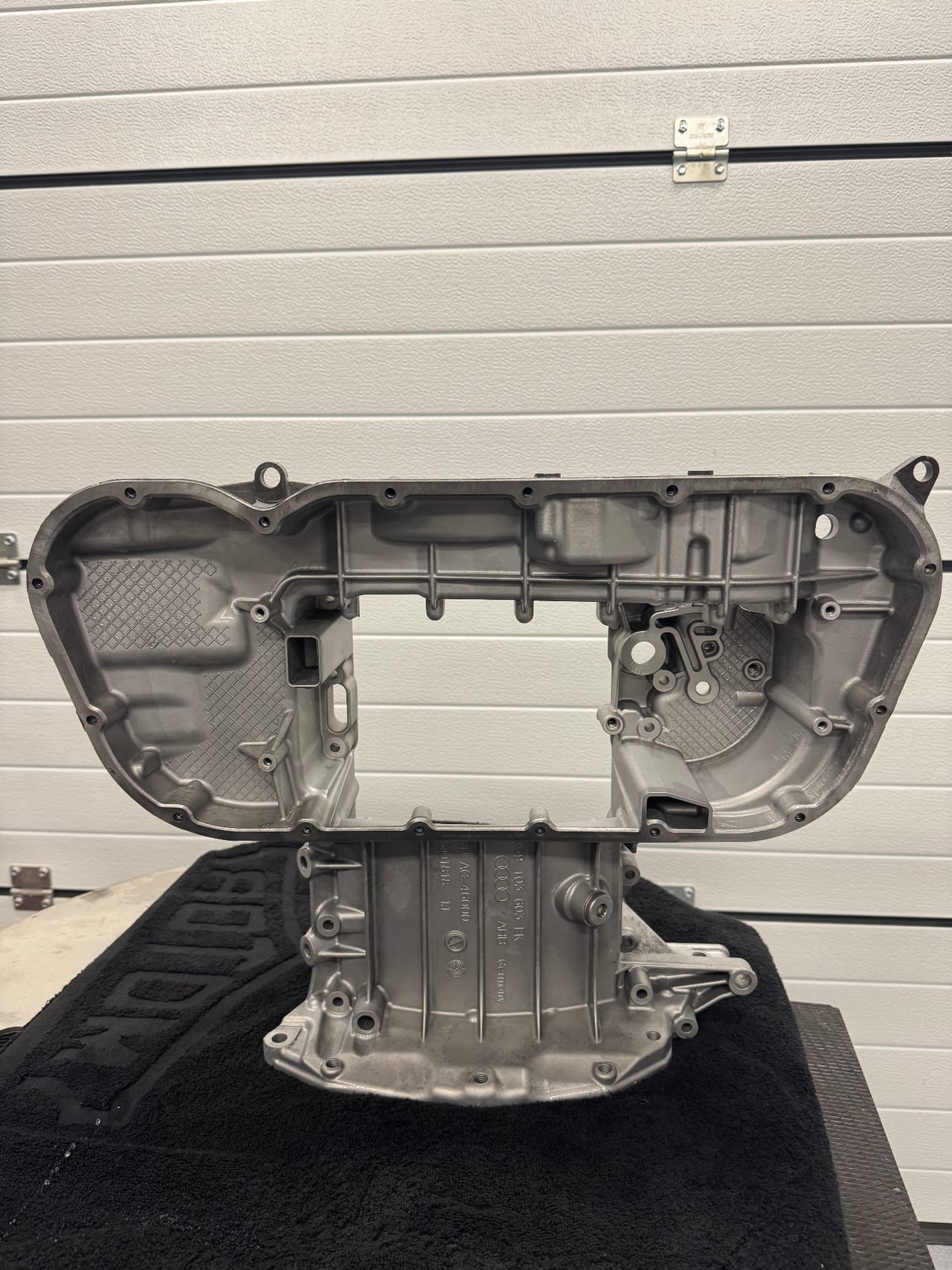
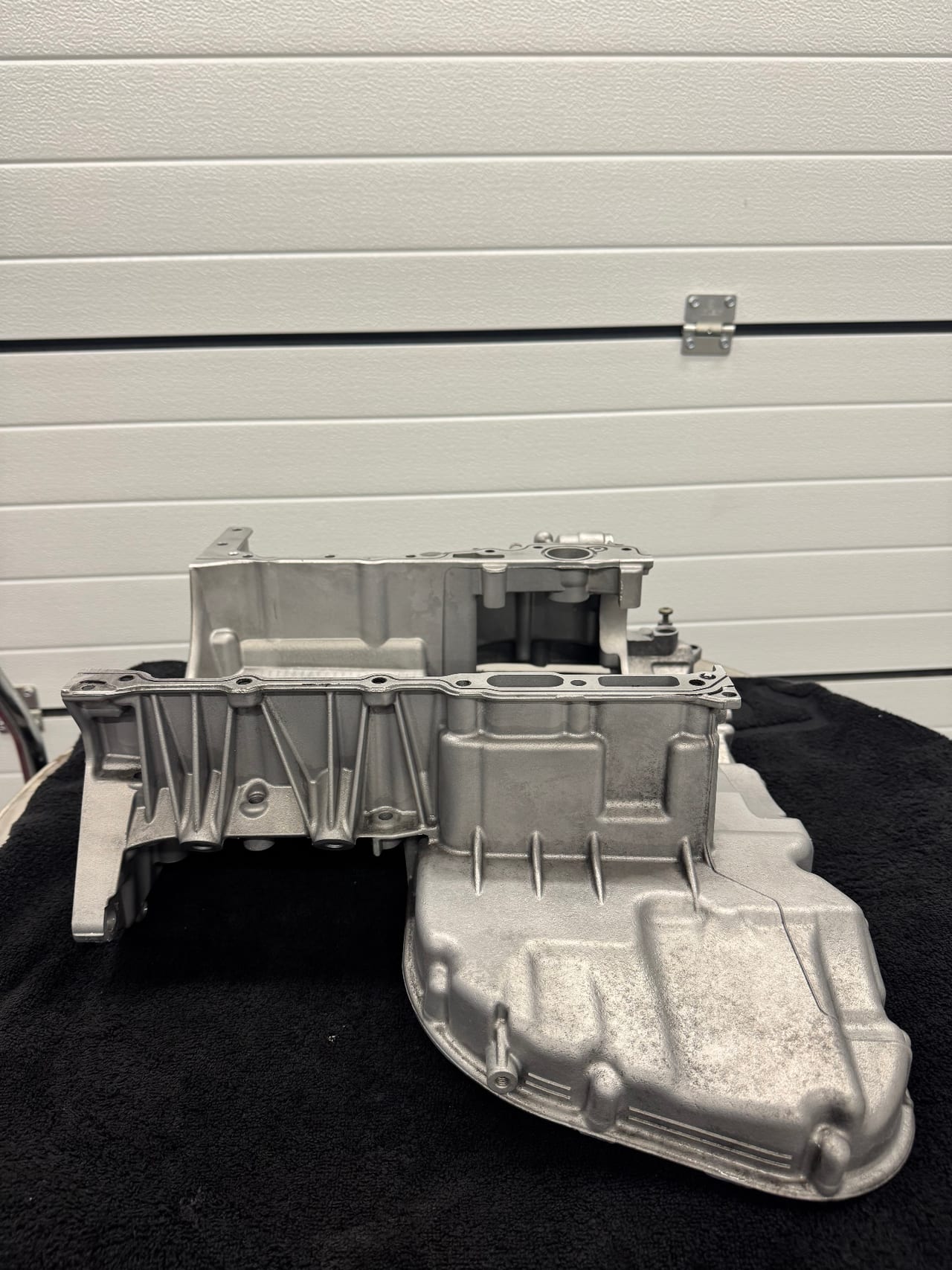
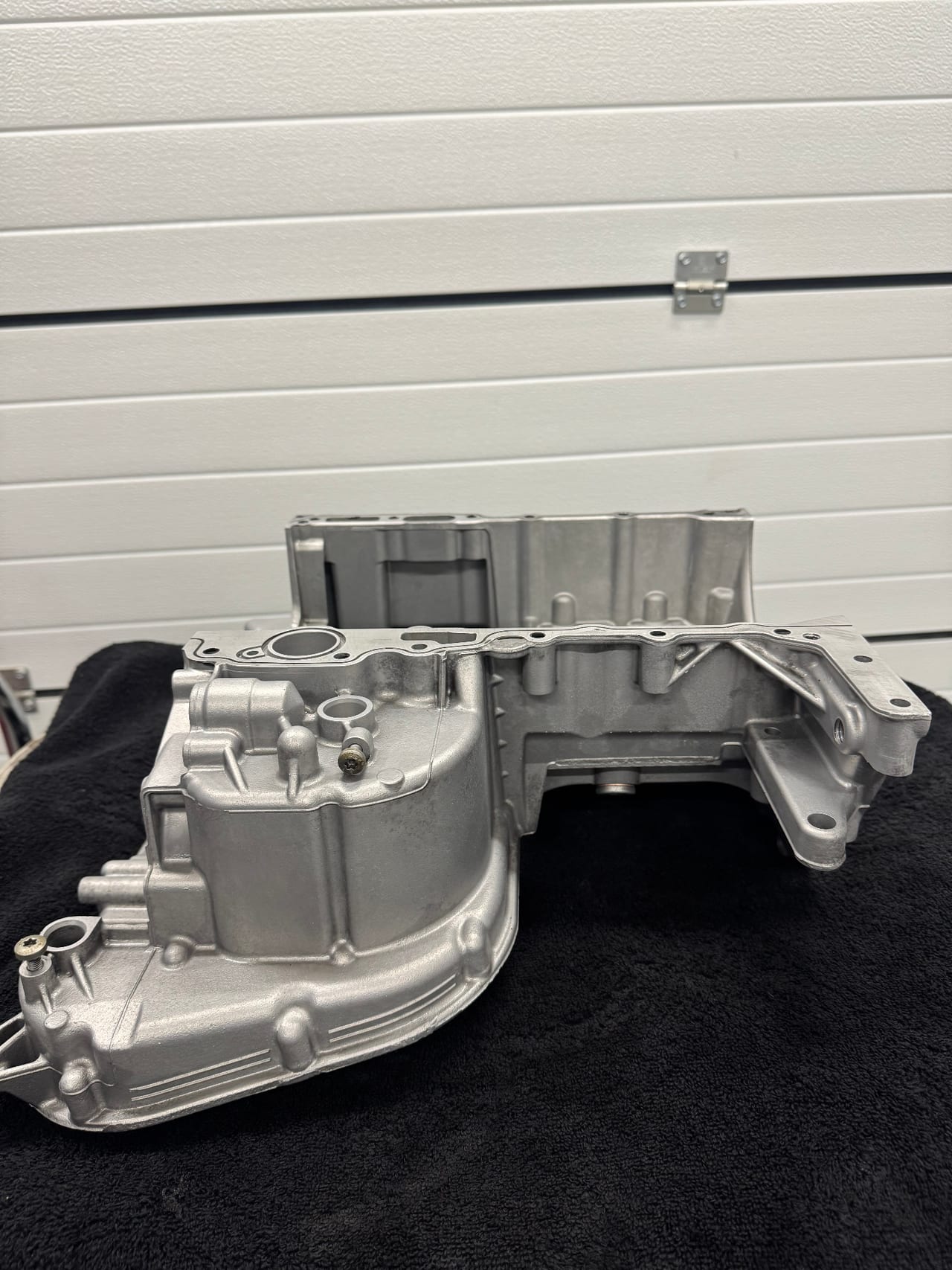
The film of water between the grit and the surface cushions the impact and cools the material. There is no thermal deformation or damage to sealing surfaces. That is exactly why aquablasting is ideal for aluminium, delicate castings and precise components.
When to stick with dry blasting
The wet method is not a cure-all. If you need to aggressively strip heavy scale from large outdoor steel structures, dry blasting may be faster. But the moment surface quality, repeatability and material protection matter, aquablasting wins.
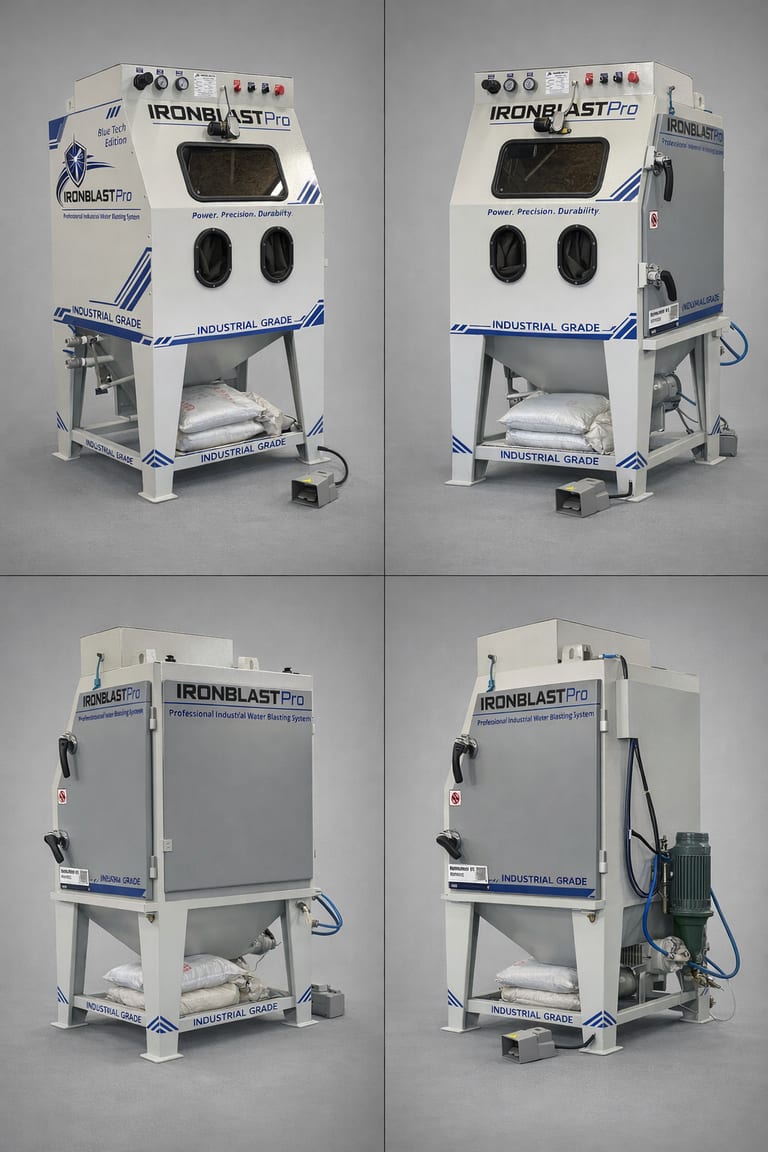
Not sure which method suits your parts? Send us a photo and a description — we will gladly recommend a model and media.

Aquablasting specialists from AQUABLASTING. We share practical know-how on wet blasting, surface finishing and machine maintenance.
Interested in our machines?
Get in touch for a free quote or technical information. We are happy to help you choose the right model.